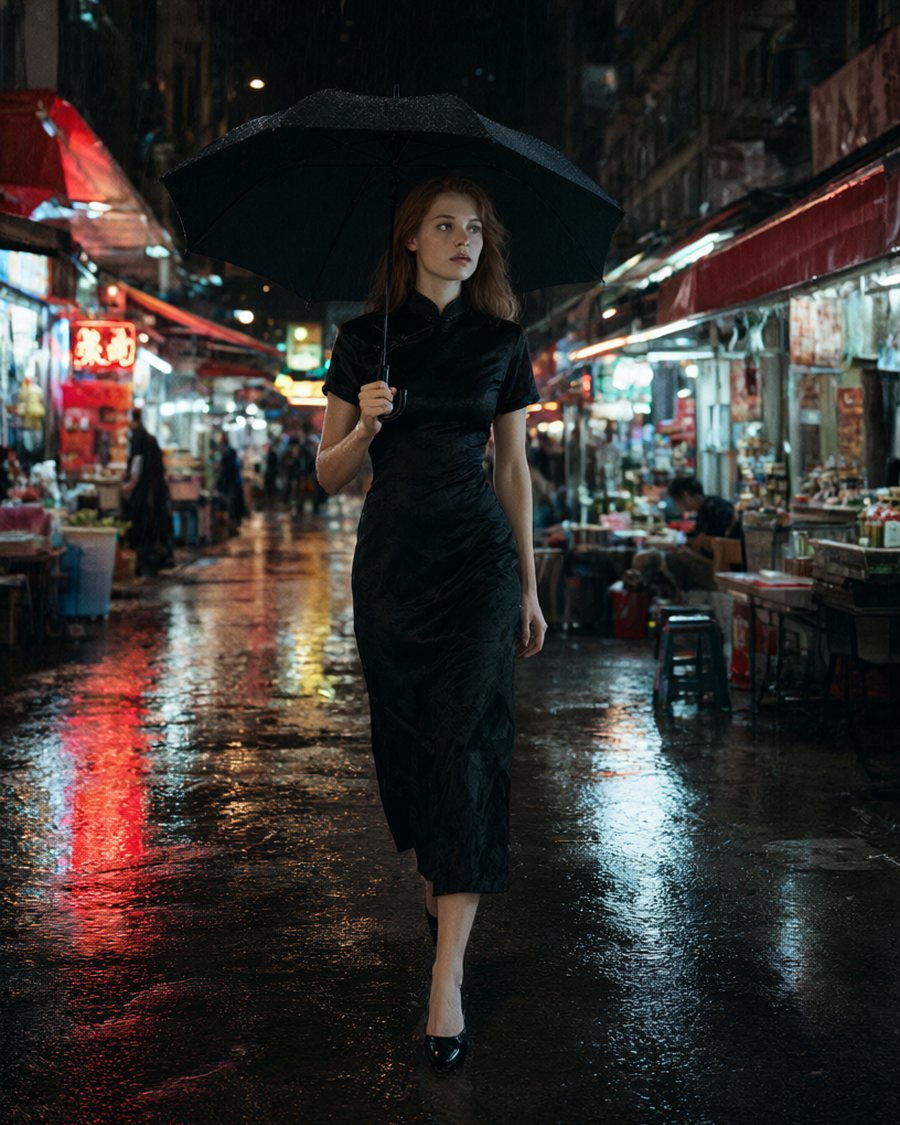
AI fashion model · built locally
WOSHI
Ten looks. One face. Zero API budget.
An AI fashion persona built on a Mac with open-source models — with the prompts, the rejects, and the C-dramas that inspire the looks.
Ten looks. One face. Zero API budget.
An AI fashion persona built on a Mac with open-source models — with the prompts, the rejects, and the C-dramas that inspire the looks.
WOSHI is generated entirely on a local machine: Qwen-Image 2.1 for the stills, LTX-2.3 for motion. No cloud render, no stock photography, no API budget. The face is locked with three reference images; everything else — city, era, light, outfit — is a prompt.
The account is a build-in-public log: one look at a time, with the model, the steps, the time, the rejects. The taste is the expensive part.
Hong Kong rain, 1930s Shanghai, a Chengdu teahouse at six in the morning. The same woman, ten different decades.
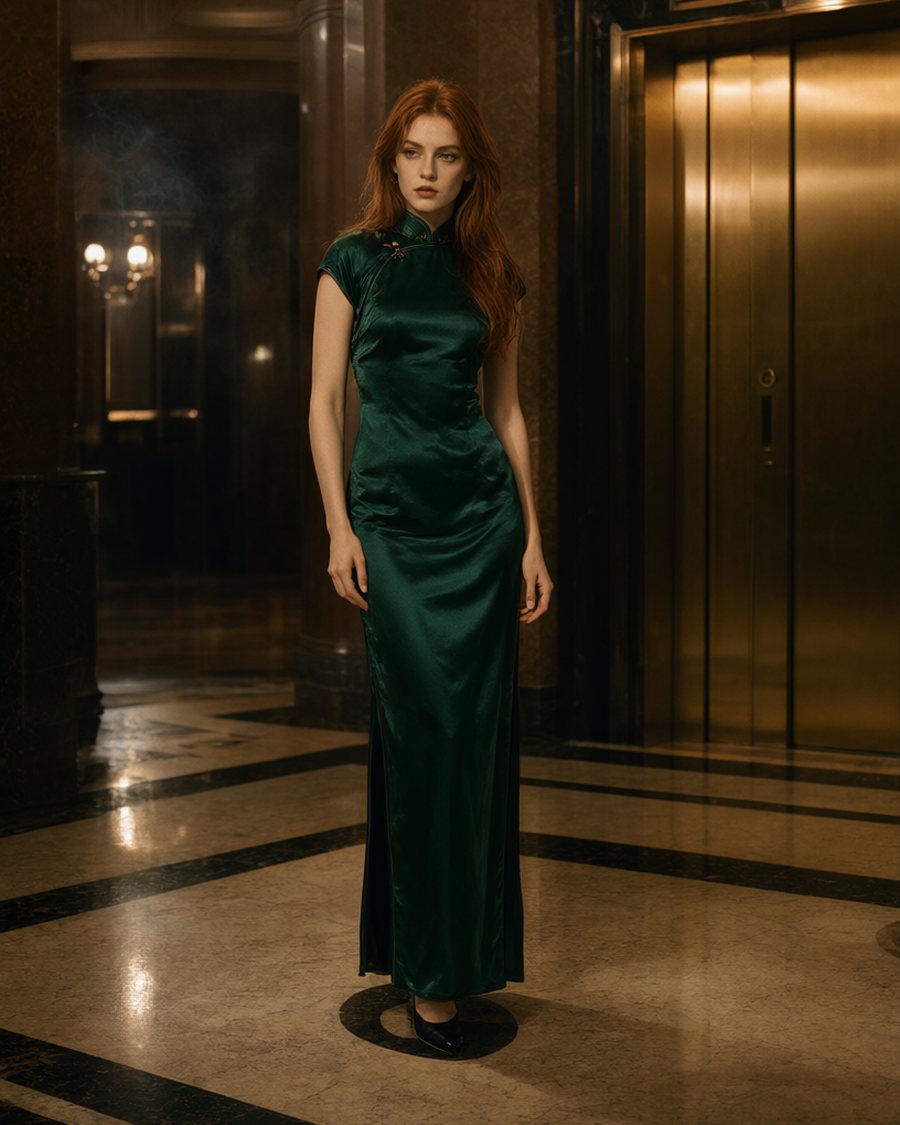
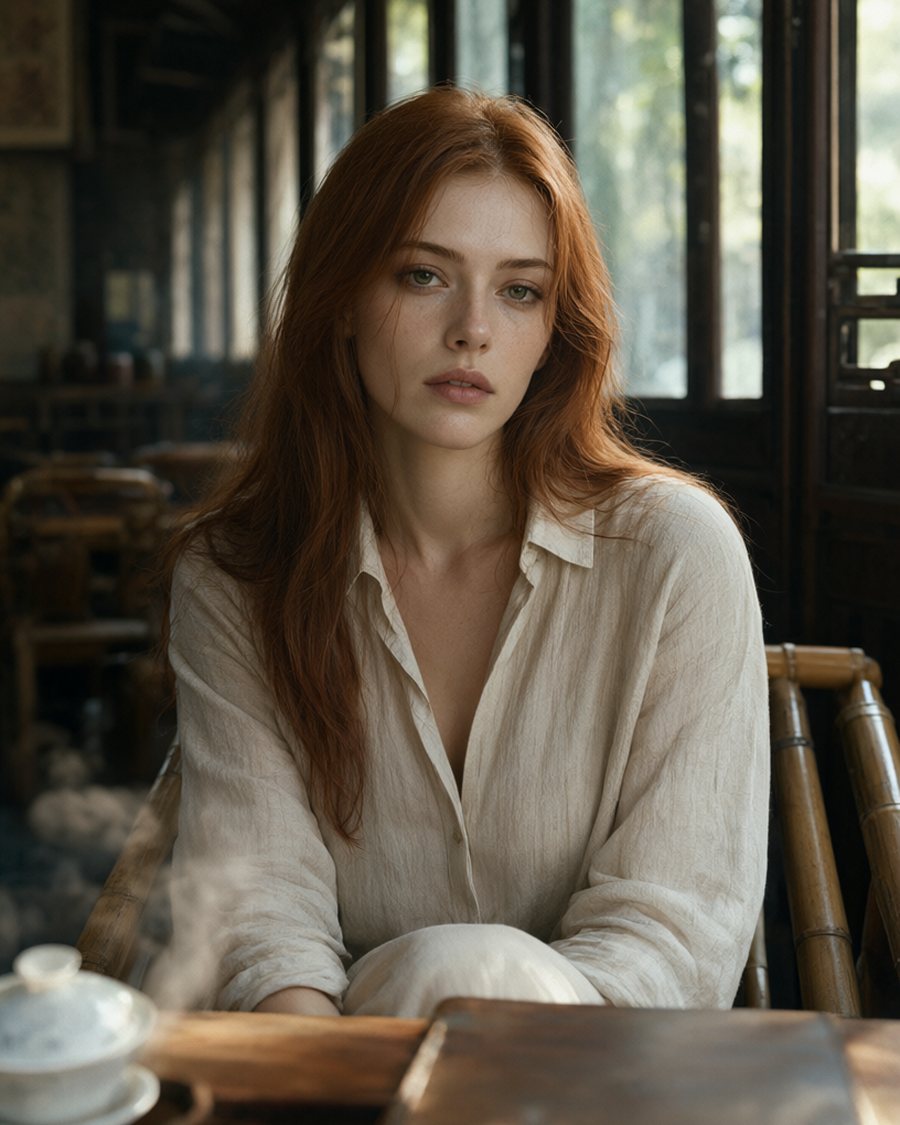
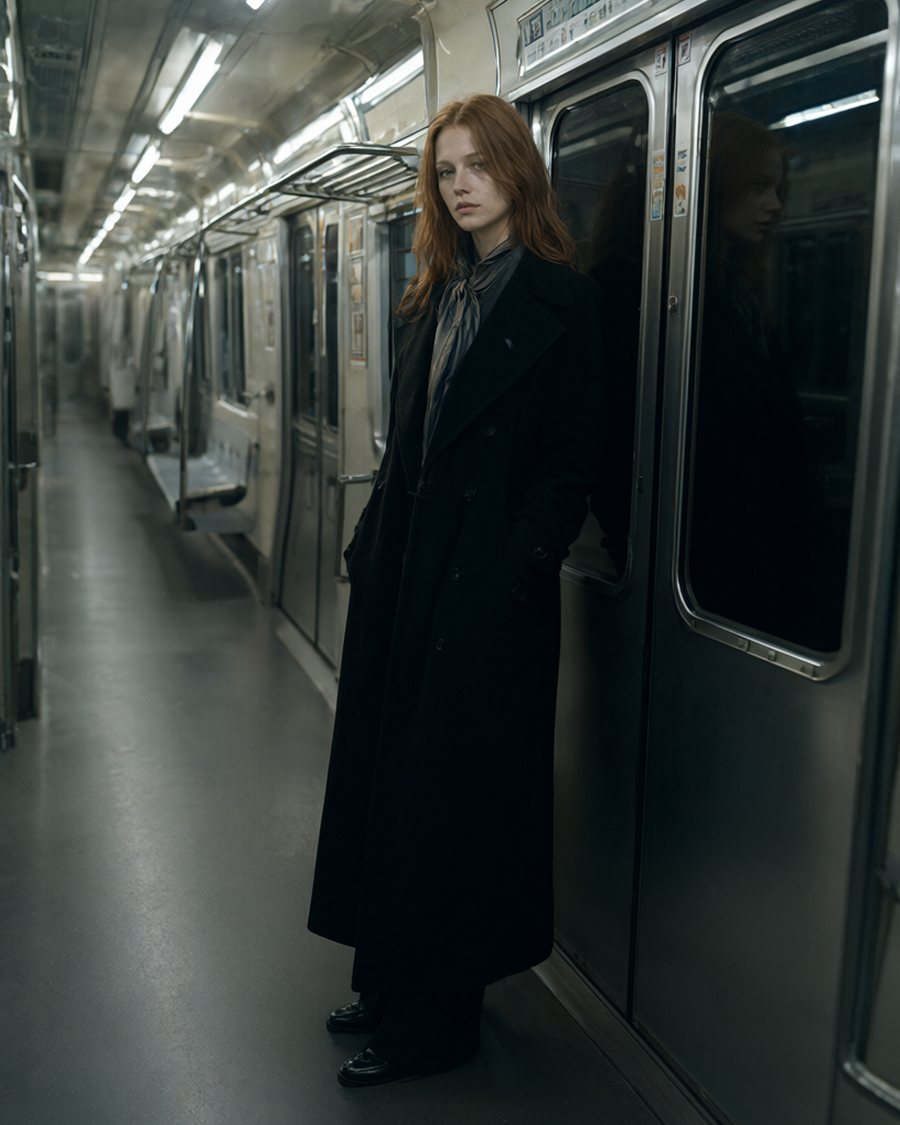
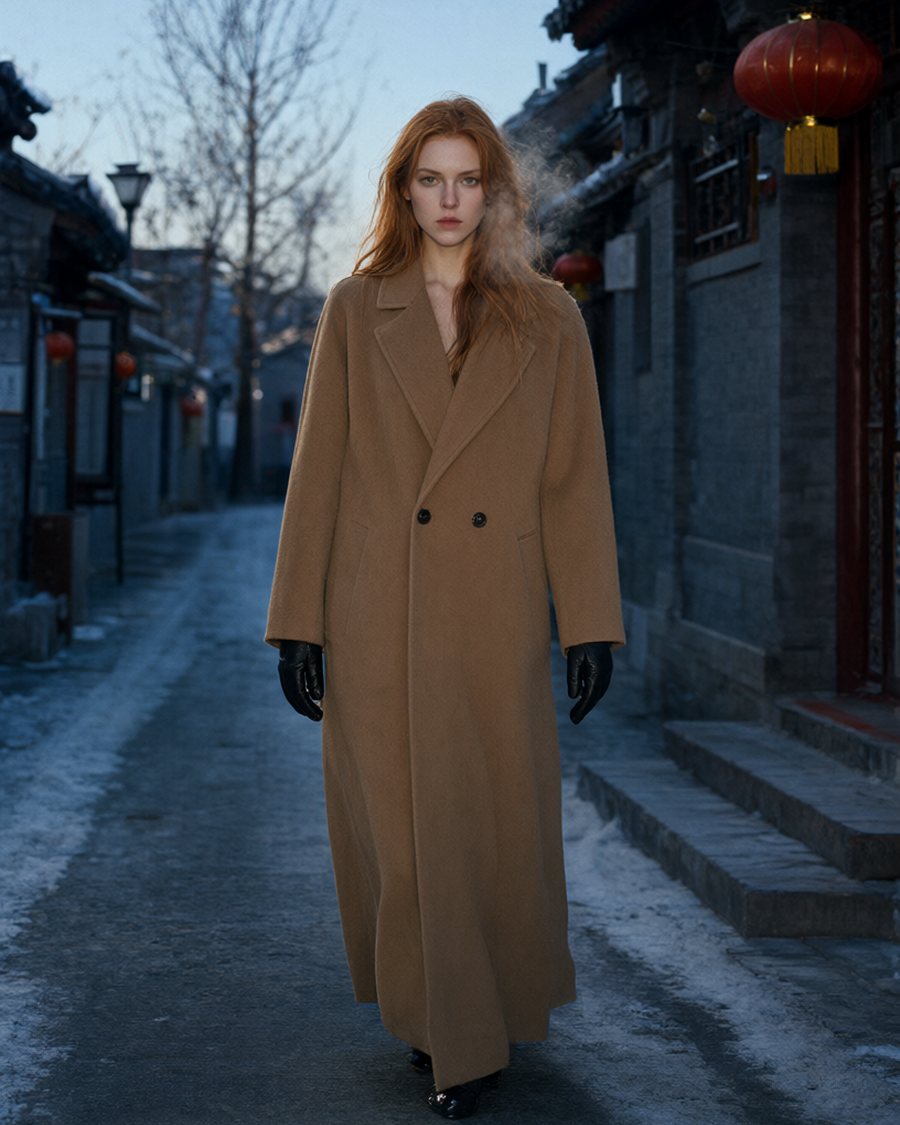
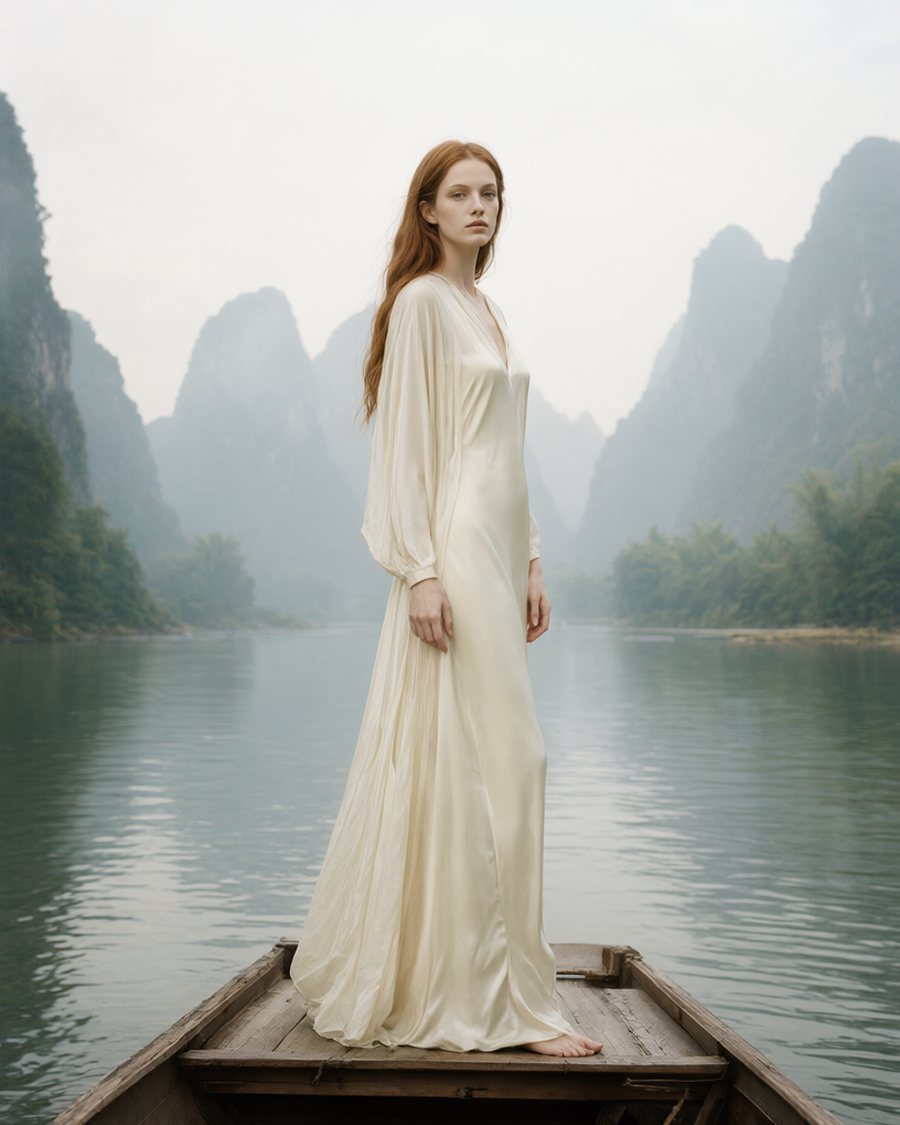
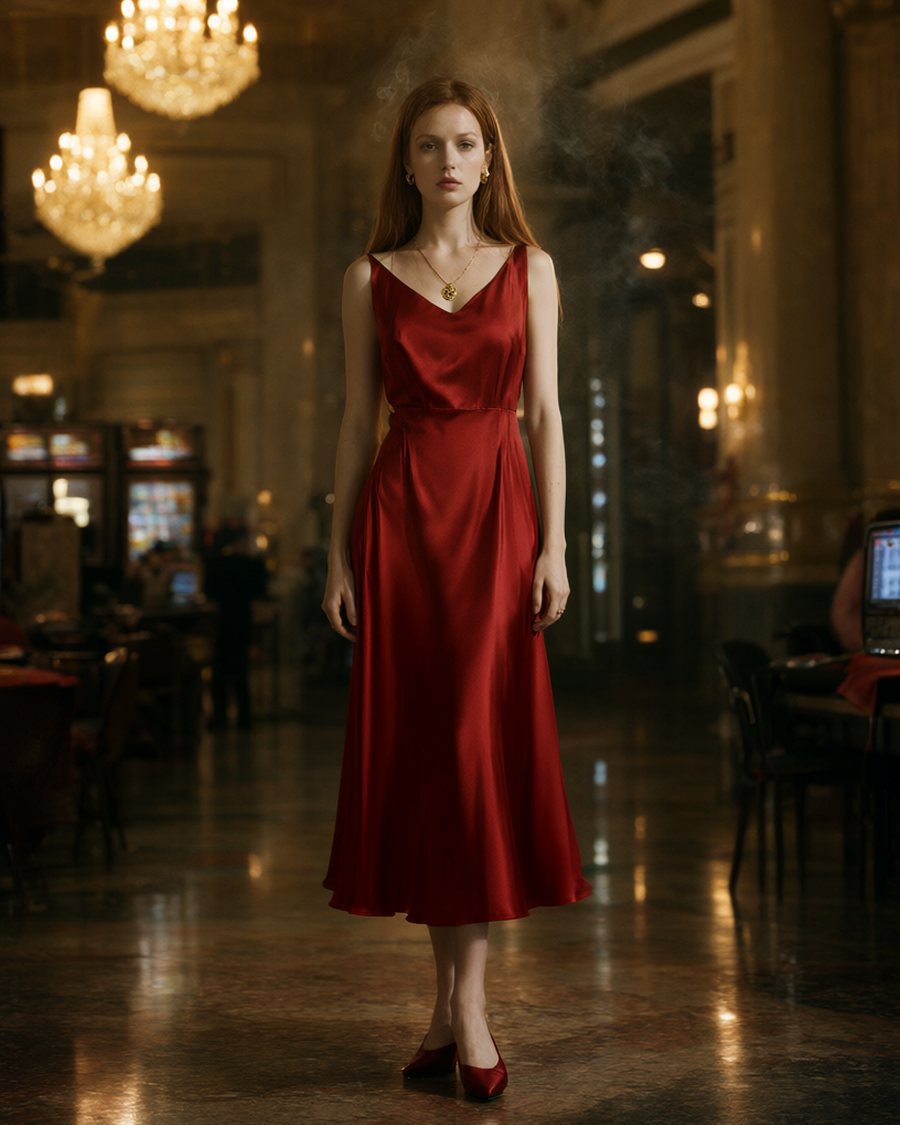
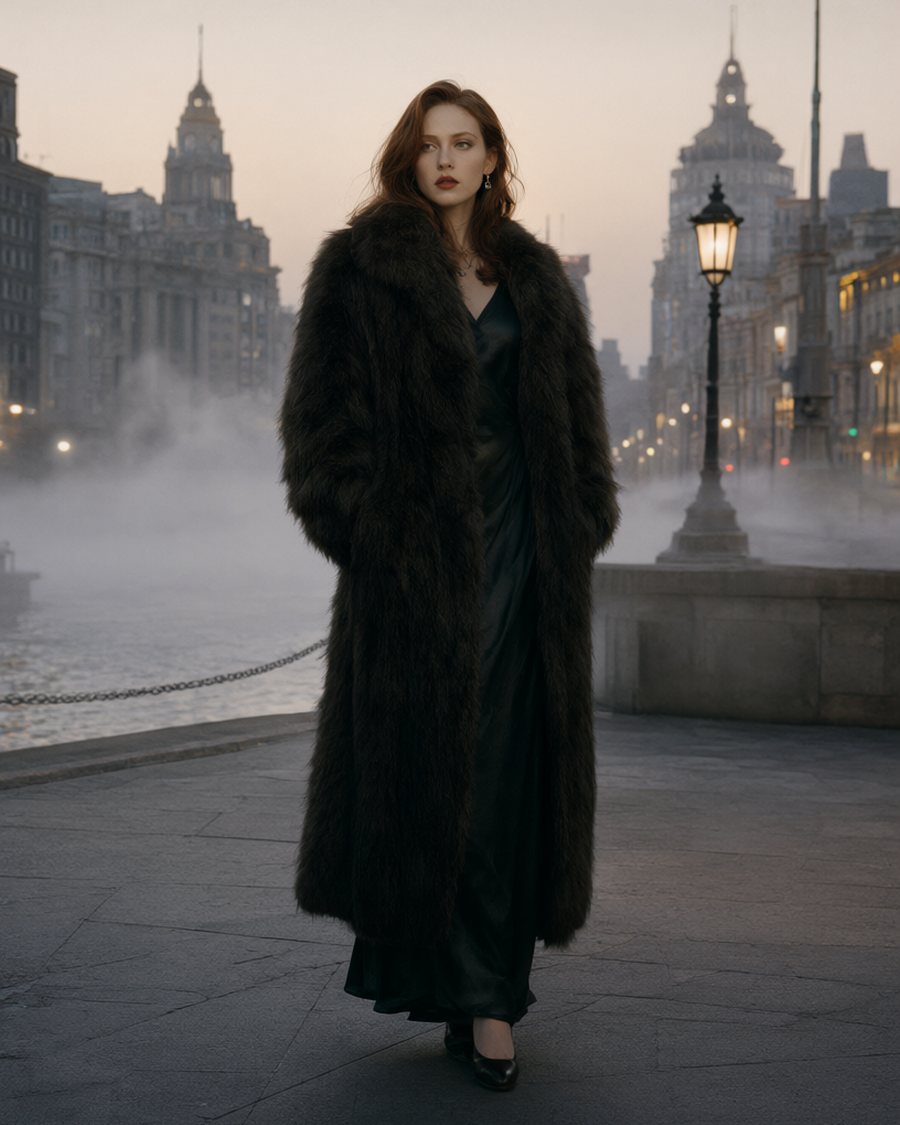
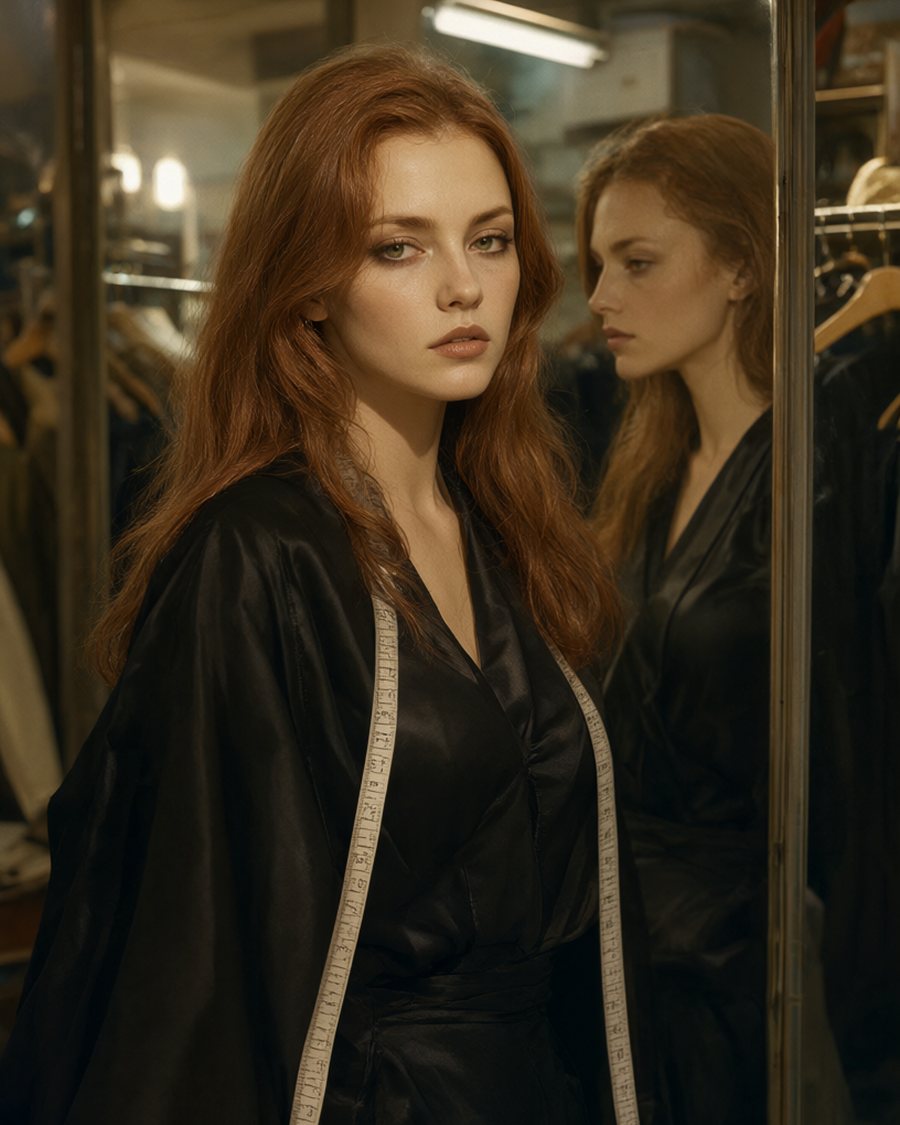
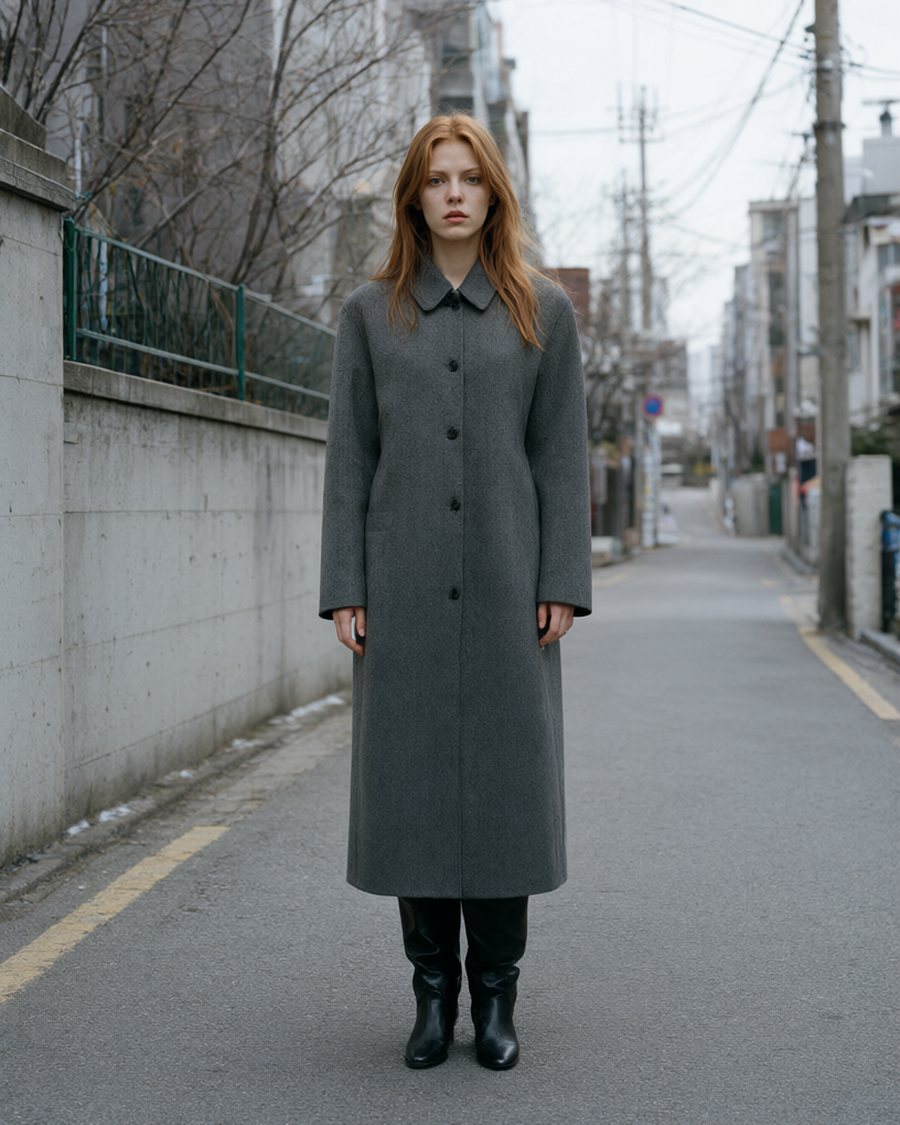
Qwen-Image 2.1, 25 steps, 819×1024. Three reference images for the face. About 45 seconds per accepted image — nine of ten get rejected.
LTX-2.3 turns a still into four seconds of video at 768×1024. About 137 seconds. No cloud, no render farm.
No API budget. No paid models. The machine does the work; the human does the taste. Every look is generated locally.
The same woman as image_1 and image_2: Caucasian, late twenties, pale skin, long copper-red hair, green eyes, sharp cheekbones. Identical face and identity. Full-body cinematic editorial fashion photograph. She walks through a rainy Hong Kong night market in 1997, wearing a black silk cheongsam, holding a small black umbrella, neon signs reflecting in puddles, looking slightly off-camera, 35mm film grain, shallow depth of field, moody teal and red palette, full body visible head to toe. No text, no watermark.